Technology
Laser Dentistry
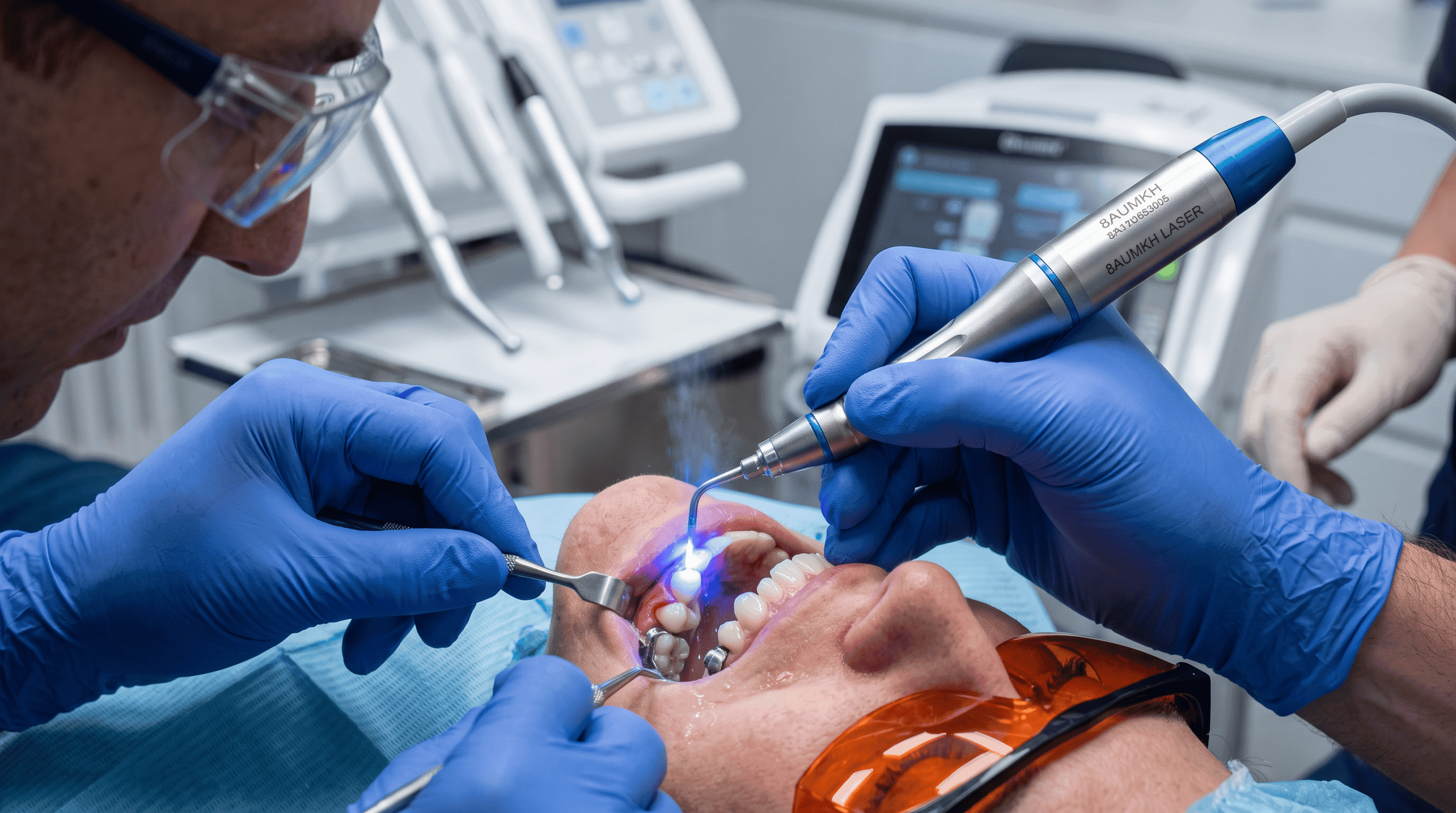
Soft-tissue laser technology for precise gum procedures with controlled bleeding and often faster, more comfortable healing.
Related service
See the treatment-focused page for laser procedures, FAQs, and how to book a consultation.
Clinical overview
Dental lasers deliver concentrated light energy that can cut, coagulate, or decontaminate soft tissue with a high degree of control. At Implant Square Dental, laser dentistry is used selectively for periodontal and soft-tissue indications where precision, haemostasis (bleeding control), and patient comfort matter — not as a replacement for every scalpel or conventional therapy.
Clinically, lasers can vaporise or reshape gingival tissue, assist in pocket disinfection as an adjunct to mechanical cleaning, and support aesthetic procedures such as gum contouring or depigmentation when medically appropriate. Because many laser wavelengths seal small blood vessels as they work, operative fields stay clearer and post-operative swelling is often reduced compared with equivalent blade procedures.
Laser energy settings must match the tissue type and clinical goal. Too little energy is ineffective; too much risks thermal damage. Our periodontists select wavelength, power, and tip design based on the procedure, always with protective eyewear for patient and team, and always after confirming that laser therapy is the right modality — not simply a novelty.
For a treatment-focused overview of procedures we offer under this technology, see our dedicated Laser Dentistry service page. This technology page explains the clinical rationale, safety principles, and what to expect when laser care is part of your plan.
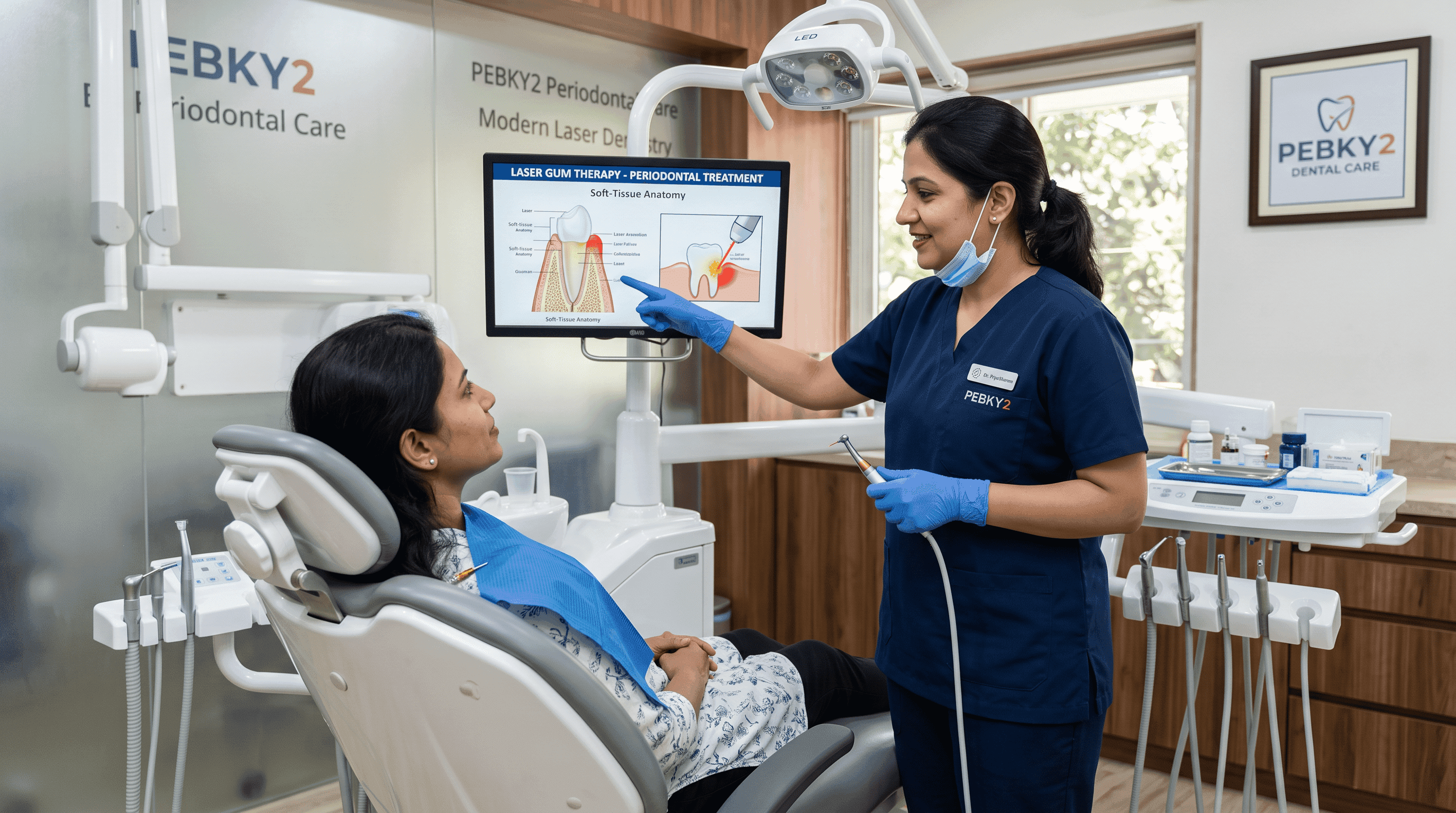
How dental lasers work in clinic
- 1
Indication & consent
We confirm the diagnosis (for example, gingival hyperplasia, melanin pigmentation, or adjunctive pocket therapy) and explain alternatives, benefits, and limitations.
- 2
Preparation
Local anaesthesia is used when needed. You and the clinical team wear wavelength-specific protective eyewear. The operatory is set for laser safety protocols.
- 3
Laser application
The handpiece delivers controlled energy to reshape, ablate, or decontaminate tissue. Irrigation and intermittent technique manage heat.
- 4
Aftercare
You receive written instructions on hygiene, diet, and warning signs. Follow-up confirms healing and whether further therapy is required.
Clinical applications
- Laser gum disease treatment as an adjunct in selected periodontal cases
- Laser gingivectomy (gum reshaping) and crown lengthening
- Laser operculectomy around partially erupted wisdom teeth
- Laser frenectomy for selected tongue-tie and lip-tie cases
- Laser gum contouring, depigmentation, and selected teeth whitening
- Laser-assisted root canal disinfection as an adjunct to conventional endodontics
- Laser therapy for selected TMD and jaw muscle pain
Clinical benefits
- Precise soft-tissue modification with excellent visibility
- Often less bleeding than equivalent scalpel techniques
- Potentially reduced post-operative discomfort for suitable cases
- Can minimise sutures in some soft-tissue procedures
- Useful adjunct — not a substitute — for thorough mechanical cleaning in gum disease
What to expect
Most laser soft-tissue visits are outpatient procedures under local anaesthesia. You remain awake and can usually resume light activity the same day, depending on the extent of treatment.
Sensation during treatment is typically pressure or warmth rather than sharp cutting, once anaesthesia is effective. Afterward, mild tenderness is common for a few days.
Healing timelines vary. Aesthetic gum procedures may look improved immediately, with colour and contour continuing to mature over weeks. Periodontal adjunctive laser therapy is part of a longer maintenance plan — not a one-visit cure for gum disease.
FAQs
Lasers can reduce trauma and bleeding, but anaesthesia is still used for many procedures. Most patients describe the experience as more comfortable than expected, not sensation-free without anaesthetic.
Related services
Related technologies
Explore how other digital tools at Implant Square Dental work together in your care plan.
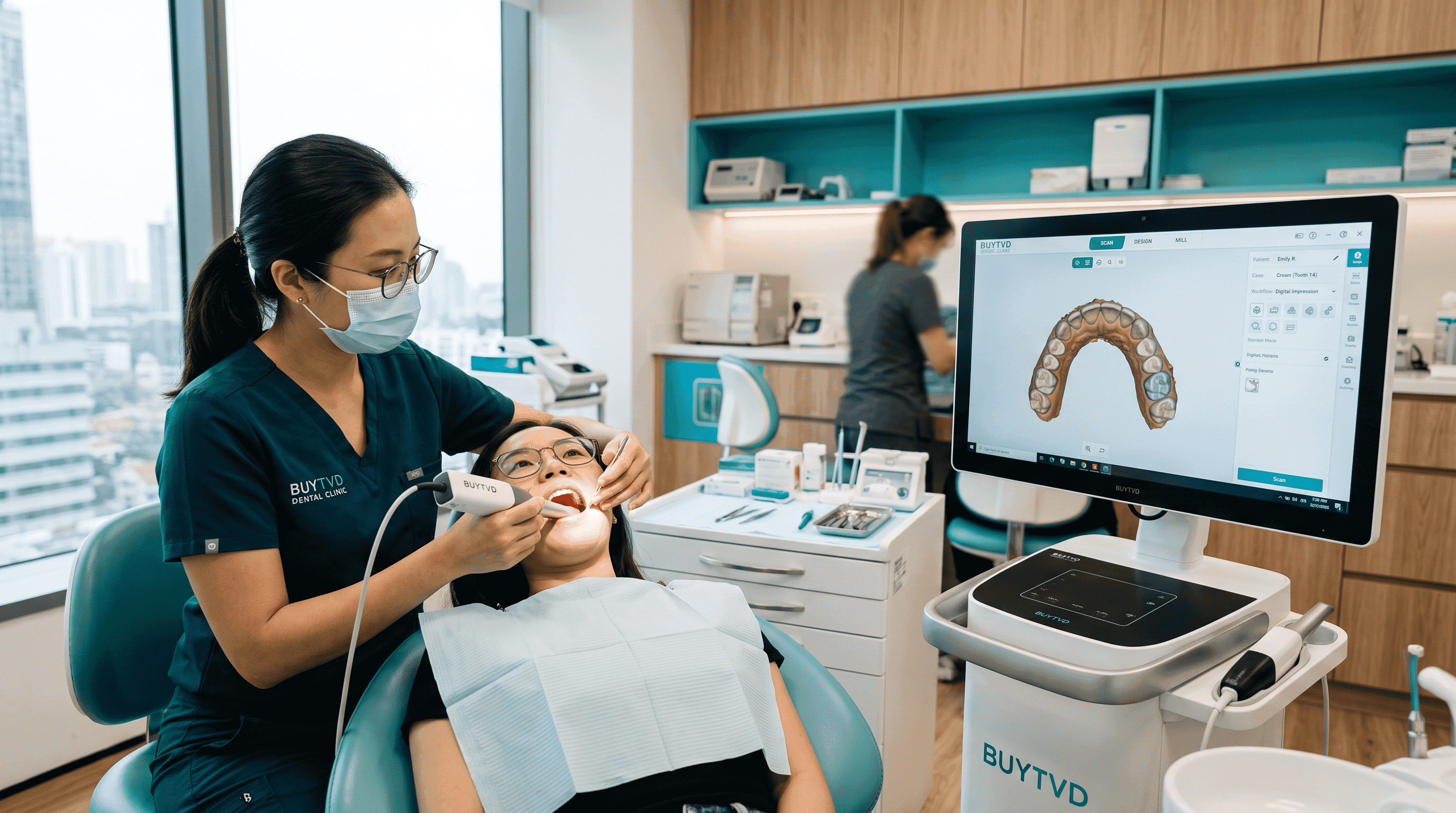
Digital Dentistry
An integrated digital workflow — from diagnosis and scanning to planning and restoration — that connects every step of your care.
Learn more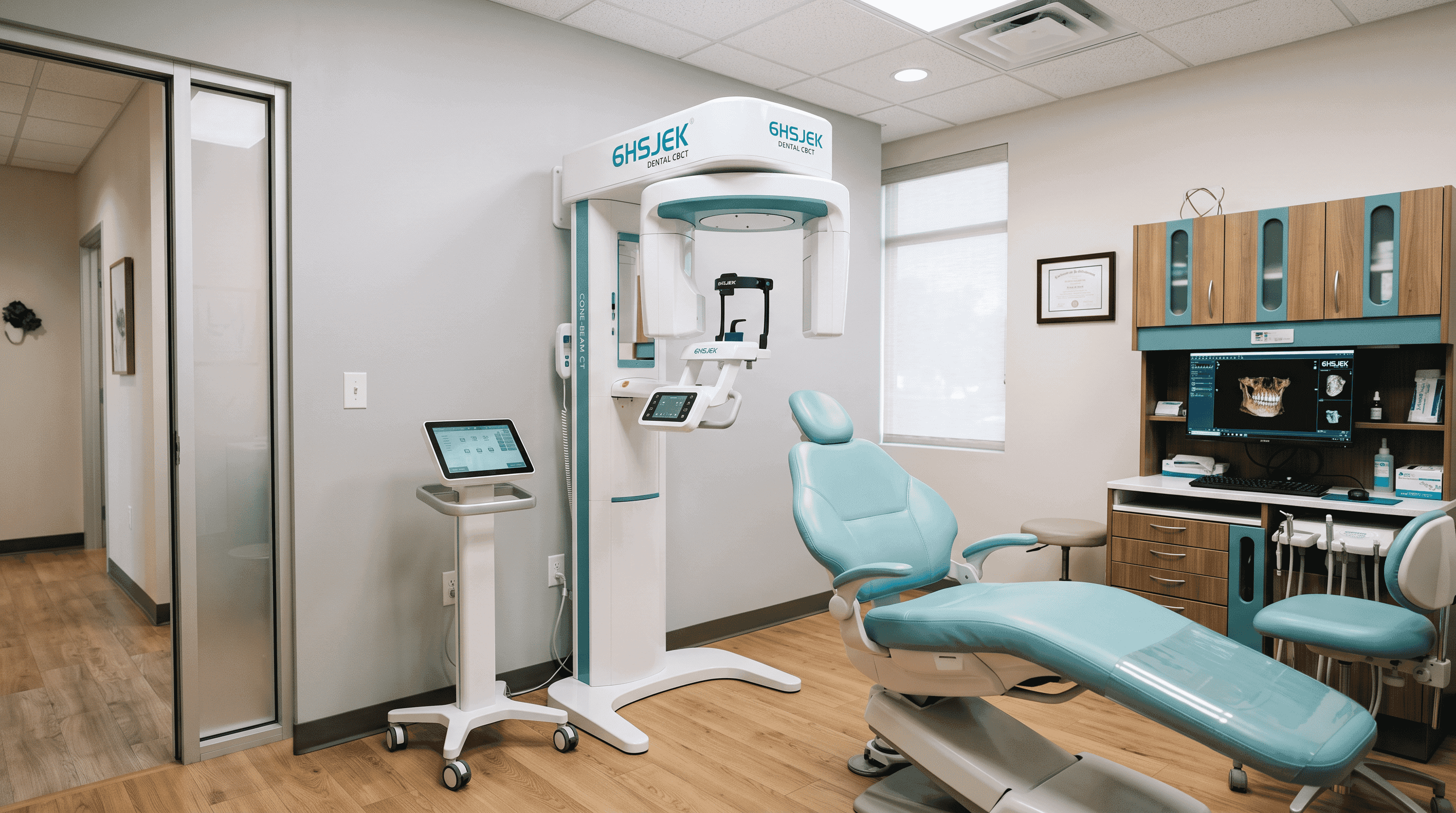
Dental CBCT & 3D Imaging
In-house cone-beam CT that creates a detailed 3D view of your teeth, jaws, bone, and nerves — recommended only when it can meaningfully improve diagnosis or treatment planning.
Learn more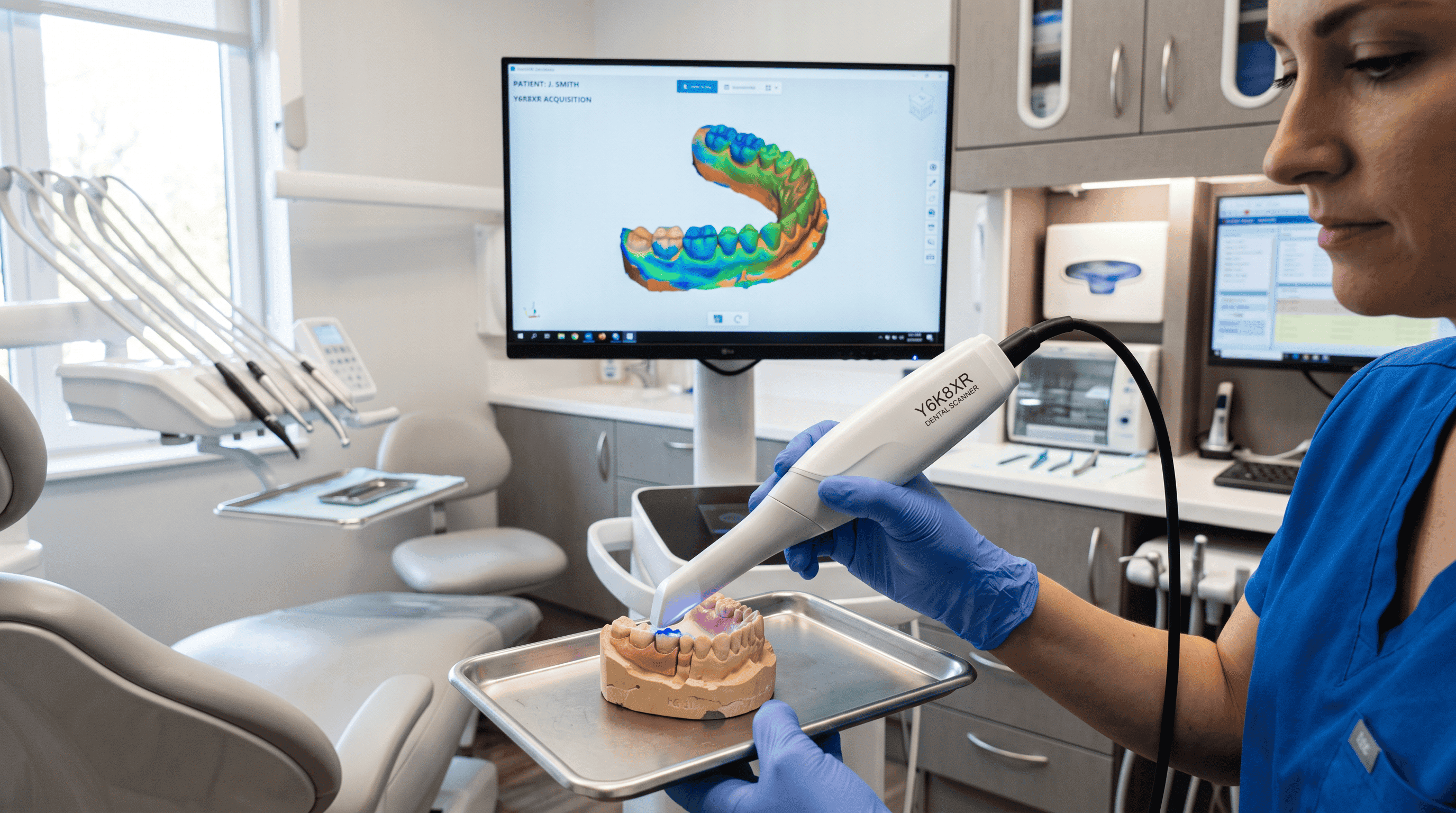
Intraoral Scanner
A handheld digital wand that captures precise 3D models of your teeth — often replacing traditional putty impressions.
Learn moreReady to experience digitally planned care?
Book a consultation at our Ecoworld, Bellandur clinic. We will recommend only the technology that improves your diagnosis, comfort, or outcome.